
Services / Onboard Stability Software
Onboard Stability Software
Barracuda, our own onboard stability program, developed in-house since 1998 and continually updated.
TNA Onboard Stability Program – Barracuda
Barracuda Software Overview
This program was developed by Triton Naval Architects in 1998, in C++. It has been further developed ever since on an ongoing basis, and more recently significantly updated using Embarcadero C++ 10.3, to include a completely new reporting system, and to accommodate the calculation for Stability Effects of a Drill String contacting the side of a Moonpool, applicable to drill ships. (A calculation method approved by Lloyds and ABS on a vessel by vessel basis).
The latest version name being Barracuda Version 2026
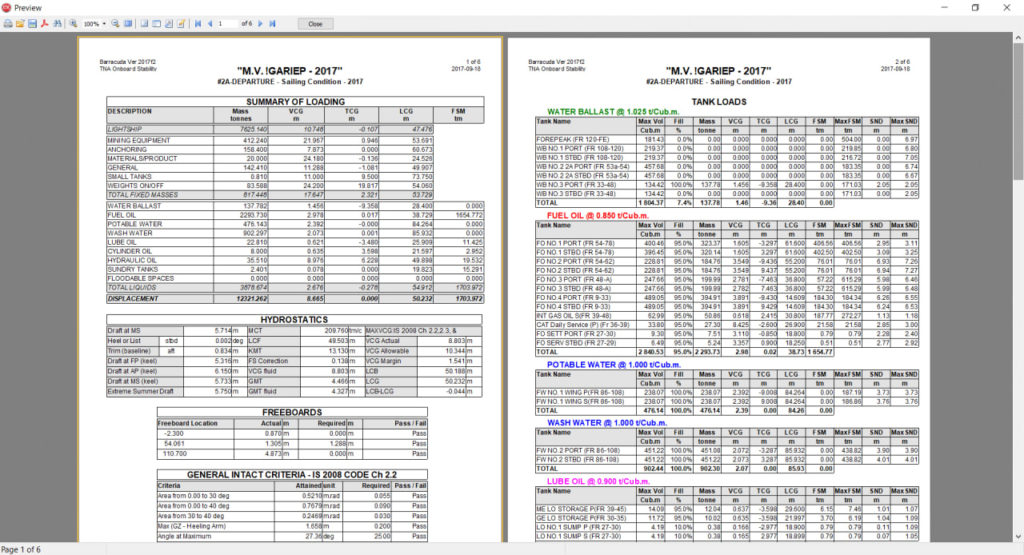
The new reporting system also has features for zooming and scrolling the entire report on screen before electing to either print it, or export it to directly to PDF.
As of 2023 the program was Type Approved by Lloyds Register of Shipping, using the DeBeers Drill ship Gariep.
The program is extensively used inhouse in the preparation of stability books, with some 1000+ Stability Books having produced using this software, for approval by various Classification Societies and Flag States. However it is also currently installed on more than 32 operational ships, including all of the DeBeers Diamond Mining Ships, most of the Dept of Environmental Affairs Research Ships, many of the South African based Smit Tugs and Supply Vessels, plus other individually owned vessels.
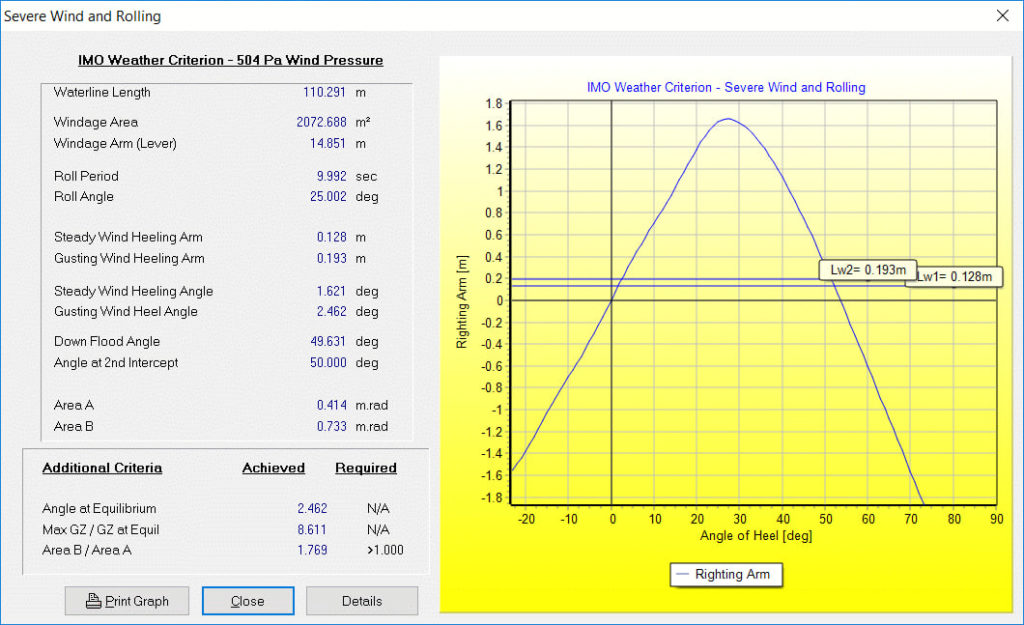
The program supports multiple stability criteria including Wind and Waves, Supply Vessel, Multihull, Passenger Crowding, Towing Stability, Icing, Crane Stability, and limited “added-weight” damage stability, with recent update for Australian Livestock Criteria, and can use MAXVCG data for compliance reference.
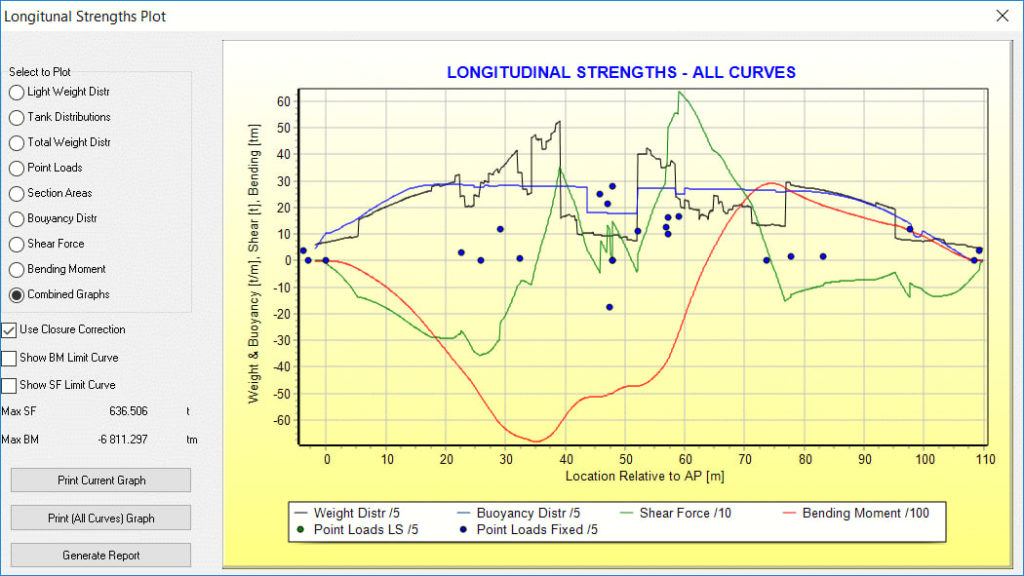
The program as from 2006, also includes Longitudinal Strengths Capabilities
What the software looks like
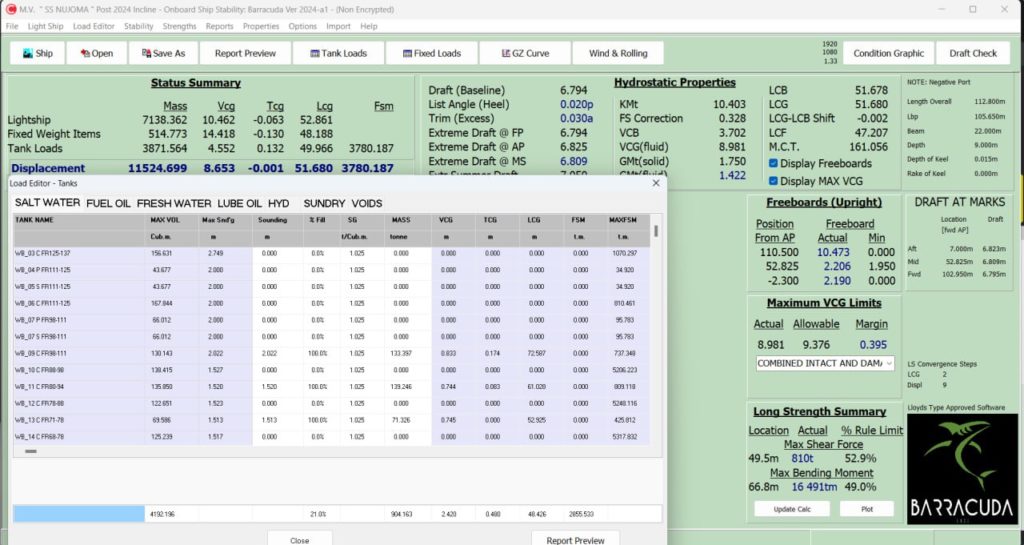
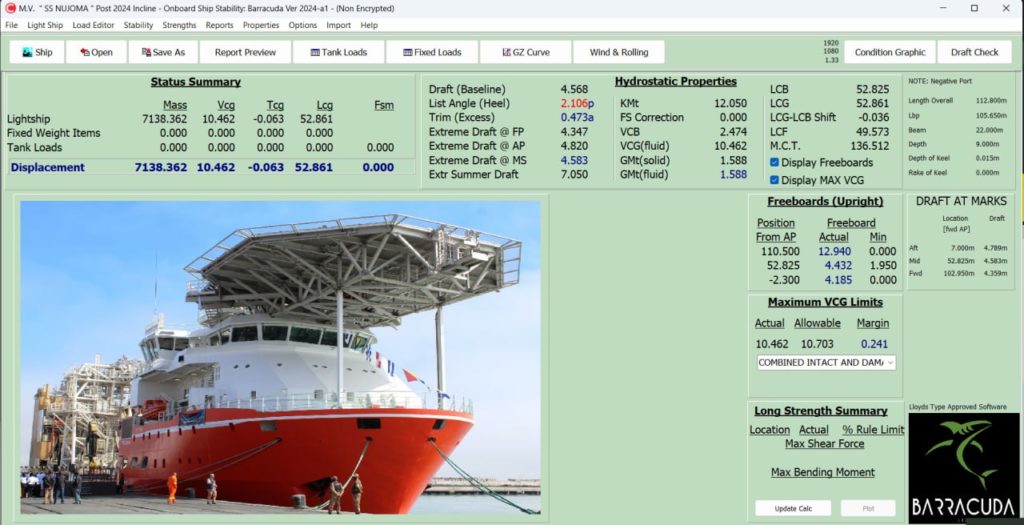
Barracuda runs on the vessel’s onboard computer. The officer enters the current tank contents and deck loads, and the program instantly calculates the resulting drafts, trim and heel, checks every applicable stability criterion and the vessel’s longitudinal strength, and shows whether the loading condition is safe and compliant. The screens below show a typical session. Click any image to enlarge it.
Discuss your project
Talk to our team about your vessel, structure or analysis requirements.
Have a project in mind?
Talk to our team about your vessel, structure or analysis requirements.